Moving to Arizona? What Buyers Should Know Before Purchasing a Home
Arizona continues to attract buyers from all over the country. Some are relocating for work, some are moving closer to family, some are planning for retirement, and others are simply ready for more sunshine and a different lifestyle.
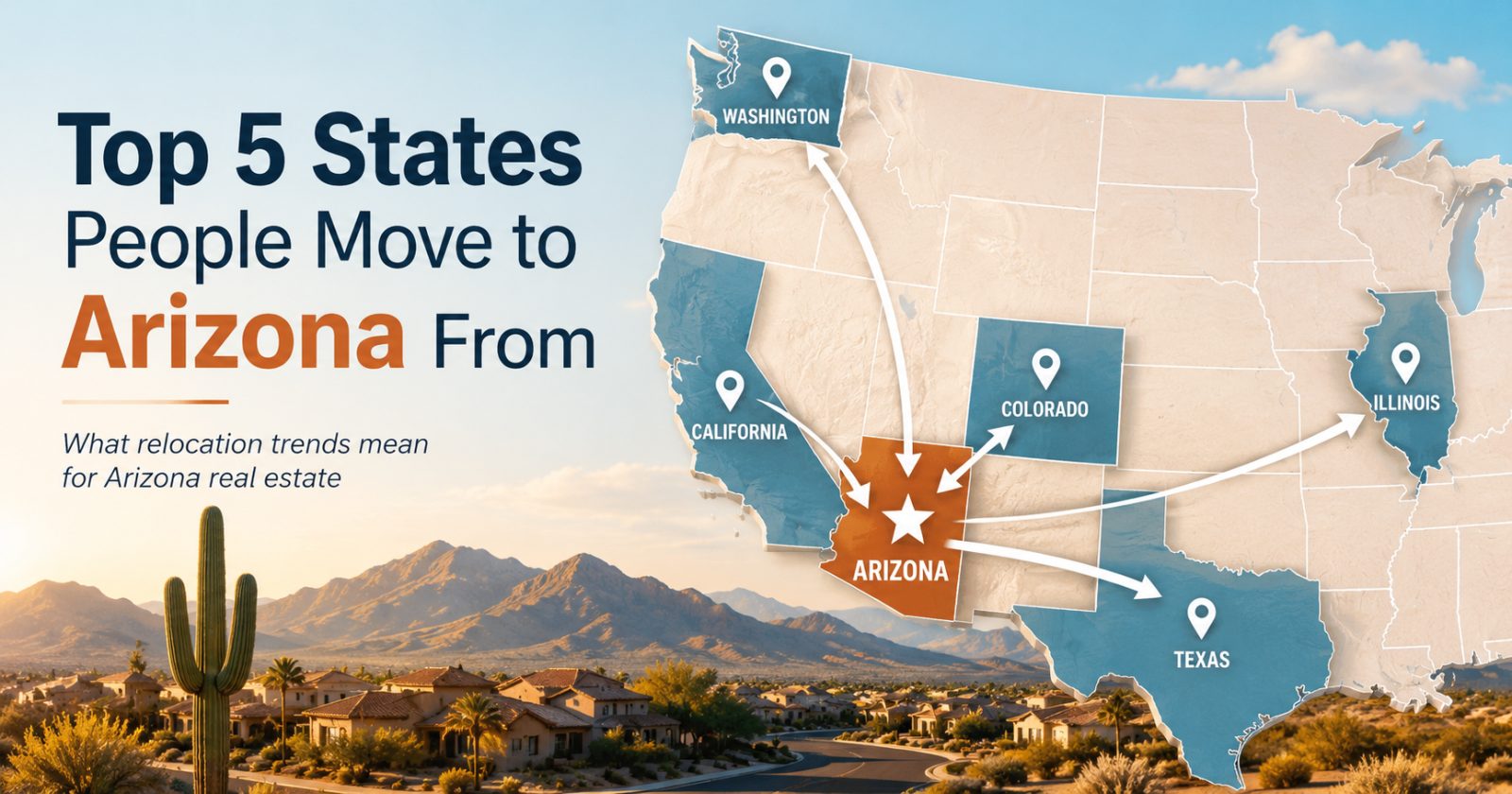
But buying a home in Arizona is not exactly the same as buying in California, Washington, Texas, Colorado, Illinois or any other state. The climate, housing styles, utility costs, neighborhood layouts, new construction options and market conditions can all feel different.
If you are thinking about moving to Arizona, here are some important things to know before you buy.
1. Arizona Is Not One-Size-Fits-All
One of the biggest mistakes buyers make is assuming every part of Arizona feels the same. Even within the Phoenix metro area, communities can be very different.
Some areas offer newer master-planned communities with parks, trails and larger homes. Others have established neighborhoods with mature landscaping, bigger lots and no HOA. Some locations are closer to major employment centers, while others offer more space and value but require a longer commute.
Before choosing a home, it is important to understand how each area fits your lifestyle, budget and daily routine.
2. Summer Utility Costs Matter
Arizona summers are hot, and air conditioning is a major part of owning a home here. When comparing homes, buyers should look beyond the purchase price and think about monthly ownership costs.
The age of the home, insulation, window quality, HVAC system, sun exposure and whether the home has solar can all affect utility bills.
A newer home may be more energy efficient, but an older home with the right upgrades can also perform well. Either way, buyers should ask questions about average utility costs, HVAC age and energy-saving features.
3. HOAs Are Common in Many Arizona Communities
Many Arizona neighborhoods, especially newer communities, have homeowners associations. An HOA can help maintain community standards, common areas, parks, pools and landscaping, but it also comes with rules and monthly or quarterly fees.
Before buying, buyers should review the HOA fee, rules, rental restrictions, parking rules, design guidelines and any community amenities. A low HOA fee is not always better, and a higher fee may make sense if the community offers amenities you will actually use.
The key is knowing what you are buying into before you make a decision.
4. New Builds Can Be Appealing, But Compare Carefully
Arizona has a lot of new construction, and new builds can be attractive to relocating buyers. Newer floor plans, builder warranties, energy efficiency and financing incentives can all be appealing.
However, buyers should still compare new builds against resale homes. A builder’s advertised price may not include lot premiums, upgrades, landscaping, window coverings, appliances or other costs. Some new build communities may also have higher property taxes, special assessments or additional fees.
New construction can be a great option, but it is still important to have representation and understand the full cost before signing a contract.
5. Property Taxes May Feel Different Than Other States
Many buyers moving to Arizona are pleasantly surprised by property taxes compared to some other states. However, taxes can still vary depending on the city, county, school district, home value and community.
For buyers coming from high-tax states, Arizona may feel more affordable. For buyers coming from lower-tax areas, it is still important to look at the actual numbers.
Taxes are only one piece of the monthly payment, but they should always be part of the full affordability conversation.
6. Commute and Daily Drive Times Can Change Quickly
Arizona communities can look close together on a map, but drive times can vary depending on traffic, freeways, construction, school schedules and time of day.
A home that looks like a good deal may not feel like a good deal if the daily commute becomes frustrating. Buyers should test drive the commute when possible, especially during the times they would actually be on the road.
This is especially important for buyers relocating to the Phoenix metro area, where lifestyle and convenience can change significantly from one side of the Valley to the other.
7. Outdoor Living Is a Big Part of the Lifestyle
Arizona homes often include patios, pools, outdoor kitchens, shade structures, turf, desert landscaping and low-maintenance yards. These features can add a lot of enjoyment, but they can also come with maintenance and cost.
Pools, for example, are popular in Arizona, but buyers should understand pool equipment, service costs, resurfacing, heating options and safety considerations.
Outdoor living is one of the best parts of Arizona homeownership. Just make sure the property matches how you actually plan to live.
8. Resale Value Still Matters
When buyers are relocating, it is easy to focus only on the move itself. But even if you plan to stay in the home for a long time, resale value still matters.
Location, floor plan, lot size, school options, nearby amenities, community growth and condition all influence long-term value. A home may work for you today, but it should also make sense for a future buyer.
The best purchase is not just the home you like. It is the home that fits your life and makes sense as a long-term investment.
9. The Arizona Market Can Vary by Price Range and Area
Real estate is local. One area may have strong buyer activity while another has more inventory and more room to negotiate. One price range may move quickly, while another may sit longer.
That is why broad market headlines do not always tell the full story. Buyers need to understand what is happening in the specific areas and price ranges they are considering.
The right strategy depends on inventory, days on market, comparable sales, seller motivation, interest rates, concessions and local demand.
10. Local Guidance Makes a Difference
Buying from out of state adds another layer to the process. You may be comparing neighborhoods online, watching listing alerts, scheduling flights, reviewing video tours or trying to make decisions from a distance.
A local real estate agent can help you understand the differences between communities, spot potential issues, compare homes properly and avoid costly assumptions.
The goal is not just to find a house. The goal is to find the right home, in the right location, with the right strategy.
Final Thoughts
Moving to Arizona can be an exciting opportunity, but it helps to know what to expect before you buy. From utility costs and HOAs to new builds, commute times, outdoor living and resale value, there are several details that can affect your decision.
If you are thinking about buying a home in Arizona, take your time, compare your options and make sure you have a clear plan. The right guidance can help you move with confidence and avoid surprises along the way.

Thinking about a move?
Ask me anything about buying or selling around here. You will hear back from Nick directly, not an assistant.